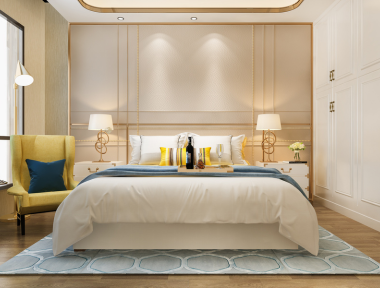
Top 7 Reasons to Choose Turnkey Interior Solutions for Your Next Project

When you start planning an interior project, whether it’s your home, office, or commercial space—you want everything to come together seamlessly. From design to execution, every detail matters. That’s where Turnkey Interior Solutions come in. Instead of managing multiple vendors, designers, and contractors, a turnkey approach lets you hand over the entire project to one expert team that handles everything from start to finish.

Here’s the thing: interior design isn’t just about aesthetics; it’s about function, flow, and feeling. You want a space that reflects your personality or brand identity and works perfectly for your needs. Turnkey Interior Solutions make that possible by offering an all-in-one service that takes care of design, planning, material selection, fabrication, and execution under one roof.

Let’s break down the top seven reasons why choosing Turnkey Interior Solutions is one of the smartest decisions you can make for your next project.

  1. One-Stop Solution for Everything

With Turnkey Interior Solutions, you don’t have to juggle multiple contractors or suppliers. You get a single point of contact who oversees the entire process, design, sourcing, manufacturing, and installation. This unified system eliminates miscommunication and ensures that every element of your project aligns with your vision.

When you go the traditional route, you often have to coordinate between designers, carpenters, electricians, and vendors. This can lead to delays and inconsistencies. A turnkey provider brings all of them under one umbrella, ensuring smooth coordination and faster delivery.

  1. Streamlined Project Management

Managing an interior project can quickly turn into a full-time job. Between handling quotes, supervising work, and solving on-site issues, you end up spending more time than planned. Turnkey Interior Solutions simplify that by assigning a dedicated project manager who takes care of everything, so you can focus on your routine while they handle the details.

They create timelines, track progress, and ensure deadlines are met without compromising on quality. This level of project management not only saves time but also guarantees accountability. You always know who’s responsible and what’s happening at every stage of the project.

  1. Cost Transparency and Budget Control

Budget overruns are one of the biggest pain points in interior projects. A major advantage of Turnkey Interior Solutions is cost transparency. Since all services are offered under one contract, you receive a single quotation covering design, materials, labor, and installation.

This eliminates the risk of hidden costs that often appear when dealing with multiple vendors. You get a clear picture of where your money is going, helping you plan your budget better. Also, since turnkey providers have established vendor relationships and bulk material sourcing, they can often offer more competitive prices than hiring separate contractors.

  1. Consistent Quality and Workmanship

When different vendors handle different parts of your project, maintaining consistency can be a challenge. Each team may have its own standards and methods, leading to uneven results. Turnkey Interior Solutions ensure uniformity in design execution, finishing, and material quality.

Since everything is managed in-house or under strict supervision, the final outcome reflects a cohesive style and superior craftsmanship. You don’t have to worry about mismatched colors, uneven textures, or delayed material supply. The focus is always on delivering a polished, professional finish that matches the approved design.

  1. Faster Turnaround Time

Speed is another reason why many clients prefer Turnkey Interior Solutions. Because all stages of the project, designing, procurement, production, and installation, are interconnected and managed by one team, the overall execution time is significantly reduced.

With streamlined communication and a predefined schedule, work progresses smoothly without unnecessary pauses. This approach ensures you get your space ready on or before the expected date, something that’s rare in traditional setups where coordination delays are common.

In a business context, that means your new office or retail space opens sooner, minimizing downtime and maximizing productivity.

  1. Customized Design and Personalization

A good turnkey service isn’t just about convenience, it’s about creating something uniquely yours. Turnkey Interior Solutions provide tailored designs based on your lifestyle, taste, and functional requirements. From modern minimalism to luxurious comfort, they bring your ideas to life with creativity and precision.

Designers spend time understanding your goals, spatial needs, and preferences before crafting layouts and selecting materials. Since the design and execution teams work together, what’s envisioned in the design stage is exactly what’s delivered. That level of alignment is difficult to achieve when different vendors handle separate parts of the project.

  1. End-to-End Responsibility and Peace of Mind

Perhaps the most valuable aspect of Turnkey Interior Solutions is peace of mind. Once you finalize your concept and budget, the provider takes full responsibility for the outcome. Whether it’s meeting deadlines, ensuring quality, or staying within budget, you don’t have to worry about a thing.

There’s no finger-pointing between vendors if something goes wrong, your turnkey partner is accountable for everything. This holistic responsibility ensures a smoother experience and a higher level of trust.

Imagine walking into your newly completed home or office knowing every element, from lighting to furniture, has been handled with precision and care. That’s the confidence a turnkey approach brings.

Bonus: After-Sales Support

While not always discussed, reliable after-sales support is another hidden benefit of choosing Turnkey Interior Solutions. Since the same company handles design and execution, they’re familiar with every material and fixture used in your project.

If you ever face an issue after completion, you don’t have to chase multiple vendors. One call to your turnkey provider, and they can quickly resolve it. This long-term accountability is what separates professional turnkey firms from regular contractors.

How to Choose the Right Turnkey Partner

Not all turnkey providers are equal. When selecting one, focus on their portfolio, client feedback, and in-house capabilities. Check if they manage both design and execution internally rather than outsourcing most of the work.

Transparency, experience, and communication are key. The right partner will not only deliver high-quality interiors but will also make the process enjoyable and stress-free.

Final Thoughts

In a world where time and precision matter, Turnkey Interior Solutions offer a smarter, faster, and more efficient way to transform spaces. They take the chaos out of interior design, giving you a seamless experience from concept to completion.

Instead of juggling multiple contacts, worrying about delays, or guessing costs, you get clarity and confidence. Whether it’s a dream home, a productive office, or a stunning retail store, the turnkey model ensures you get exactly what you envisioned, without compromise.

If you’re ready to bring your space to life with ease and professionalism, consider partnering with CRAFTWIZ FURNITURE LLP, a trusted name known for delivering exceptional turnkey interior projects that blend design excellence with flawless execution.
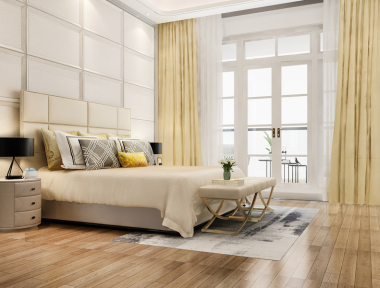
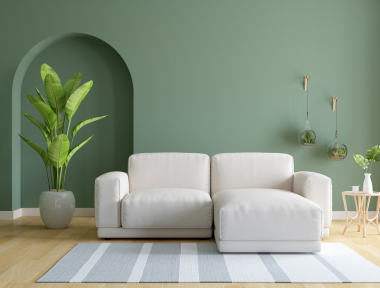
Why Modular Furniture Solutions Are Revolutionizing Modern Interiors

Walk into any modern home or office today, and you’ll notice one thing right away, spaces feel smarter. Walls aren’t cluttered, rooms are more adaptable, and the furniture doesn’t just fill space, it defines it. This shift isn’t accidental. It’s powered by a growing design movement centered around the Modular Furniture Solution.

Modular furniture has quietly become the backbone of contemporary interior design. From compact apartments to sprawling corporate setups, people are rethinking how furniture fits into their lives. Unlike traditional pieces that are static and fixed, modular furniture adapts. It’s flexible, functional, and built to move with you, literally and stylistically.

Let’s break down why this concept has taken the design world by storm and how it’s reshaping the way we think about interiors.

The Flexibility Factor: Designed for Real Life

Modern life doesn’t sit still, and neither should your furniture. The biggest advantage of modular furniture lies in its flexibility. A modular sofa, for instance, can be rearranged into multiple configurations depending on the occasion, a cozy movie night setup today, a spacious layout for guests tomorrow.

The same goes for office interiors. Workspaces now demand adaptability. Teams expand, shrink, and shift constantly. Modular desks, partitions, and storage units allow companies to redesign their office layout without heavy renovation costs or downtime. It’s furniture that bends to your needs instead of locking you into one layout.

Flexibility also matters in smaller homes. With urban spaces shrinking, every square foot counts. Modular solutions make it possible to transform a living room into a home office or dining space within minutes.

Style Meets Substance

Modular furniture isn’t just about practicality, it’s a design statement. It gives you creative control over how your space looks and feels. You can mix colors, materials, and configurations to reflect your personal style.

For example, a modular shelving system can be minimal and industrial with metal frames, or warm and organic with wooden finishes. The same system can grow over time, add a few more shelves, change the alignment, or even repurpose parts in another room.

Designers love modular systems because they blend aesthetics with engineering. Clean lines, geometric forms, and minimalist appeal make them ideal for modern interiors. They bring balance, offering both form and function without overwhelming the space.

Smarter Use of Space

One of the most pressing challenges in urban living is maximizing space. Modular furniture does this better than almost any traditional alternative. Think wall-mounted storage that doubles as a desk, or a bed with built-in drawers that slide out effortlessly.

Each piece is designed with purpose. No corner goes to waste. Whether it’s a modular wardrobe that adapts to your storage needs or a kitchen unit that expands to fit your appliances, these solutions redefine how space is used.

For small apartments or compact offices, this can be a game-changer. The ability to scale furniture according to available space ensures comfort without compromise.

Easy to Move, Easy to Upgrade

Anyone who’s ever moved houses knows the pain of hauling bulky furniture through narrow staircases or doorways. Modular furniture takes that headache out of the equation. Since it’s made up of detachable parts, it’s easy to assemble, disassemble, and reassemble, perfect for people who relocate often or like to refresh their interiors.

This also makes maintenance simpler. Need to replace a damaged panel or add an extension? You don’t have to replace the entire unit. You can simply swap out the part you need. It’s cost-effective, practical, and sustainable, something modern consumers care deeply about.

Sustainability and Longevity

Speaking of sustainability, modular furniture is a clear win for the planet. Because it’s built to last and adapt, it reduces waste over time. Instead of discarding furniture when needs change, people can modify what they already own.

Many manufacturers use eco-friendly materials, recycled wood, bamboo, metal alloys, along with production methods that minimize waste. This makes modular furniture an attractive choice for environmentally conscious homeowners and businesses.

Longevity also comes from its timeless design. Minimalist, modular structures rarely go out of style. They evolve with you, matching new interiors or aesthetics with minimal effort.

Perfect for Modern Lifestyles

Modern interiors are not about filling every inch with furniture. They’re about breathing space, mobility, and ease. People today want environments that evolve with them, homes that can shift from calm to functional, offices that encourage collaboration but allow privacy when needed.

The Modular Furniture Solution fits perfectly into this mindset. It encourages personalization without the chaos of customization. You’re not locked into one look or layout. Instead, you have the freedom to experiment, grow, and redesign.

Technology has amplified this shift. With 3D visualization tools and modular design software, customers can now plan their furniture configurations before buying. This transparency has made modular solutions not only practical but exciting.

Cost-Effective in the Long Run

At first glance, modular furniture might seem like a premium investment. But over time, it saves more than it costs. The durability, reusability, and ability to scale or reconfigure mean you’re not constantly replacing or upgrading furniture.

For businesses, this is even more valuable. A modular office setup can adapt to new departments, team structures, or workspace layouts without major renovations. The return on investment comes through efficiency, reduced downtime, and longer furniture lifespan.

Even at home, the modular approach pays off. As your lifestyle changes, a growing family, remote work needs, or new hobbies, your furniture can change too.

The Emotional Angle: Making Spaces Personal

Beyond design and practicality, modular furniture taps into something emotional, the desire for control over one’s environment. In a world that often feels unpredictable, the ability to shape and reshape your space offers a sense of ownership and comfort.

There’s something deeply satisfying about creating a space that truly reflects who you are. Whether you’re arranging your first apartment, setting up a studio, or redesigning a workplace, modular systems let you build around your life, not the other way around.

The Future of Interior Design

Interior design is shifting from permanence to adaptability. Homes and offices are becoming dynamic environments, where design serves life, not the other way around.

As sustainability, flexibility, and personalization continue to shape consumer choices, modular furniture will only grow more relevant. It’s not a passing trend, it’s a fundamental change in how we define comfort and style.

In the years ahead, expect to see even smarter modular innovations, furniture that integrates with technology, adapts to your mood or lighting preferences, and continues to push boundaries in both aesthetics and function.

Final Thought

The rise of modular furniture is more than a design revolution, it’s a lifestyle shift. It’s about embracing change, valuing sustainability, and designing spaces that truly work for you.

If you’re planning to redesign your home or office, start by exploring modular possibilities. They’ll not only make your space look better but also make it feel smarter, lighter, and more personal.

CRAFTWIZ FURNITURE LLP has been one of the names championing this vision, creating modular furniture that blends craftsmanship with modern thinking, proving that the future of interiors isn’t just beautiful, it’s adaptable.

Small Spaces, Big Impact: Smart Design Tips from the Experts

Small homes have their own charm. They’re cozy, efficient, and often full of personality. But let’s be honest, designing a small space that feels open, functional, and stylish can be tricky. Every inch matters, and every choice counts. The good news is that with the right approach and guidance from those who truly understand spatial dynamics, small spaces can feel expansive and inviting.

If you’re considering professional help, an Interior Design Service can make all the difference. Experts don’t just decorate; they transform tight areas into livable, breathable, and beautifully balanced environments. They know how to create flow, utilize light, and select the right furniture and colors to make a space appear larger than it actually is.

Here’s a deep dive into some tried-and-true expert design strategies that make even the smallest home feel open, elegant, and full of life.

  1. Start with a Clear Plan

Designing a small space begins with purpose. Before buying furniture or painting walls, think carefully about how you use your space daily. Do you work from home? Need storage for hobbies? Love entertaining? Each square foot should be assigned a function.

Interior design experts often say that in small spaces, the layout is everything. A clear plan ensures you’re not just squeezing furniture into a room, but crafting a space that supports your lifestyle.

  1. Prioritize Multi-Functional Furniture

In small spaces, furniture must earn its place. The smartest pieces are those that serve more than one purpose. Think of a sofa that turns into a guest bed, a coffee table with storage underneath, or a fold-down dining table that disappears when not in use.

Experts also recommend modular furniture, pieces that can adapt as your needs change. These flexible designs help you make the most of every inch while keeping your home uncluttered and visually open.

  1. Let There Be Light

Lighting can completely change how a small space feels. Natural light instantly makes a room appear larger and more welcoming, so keep window areas as clear as possible. Avoid heavy drapes; instead, opt for light, sheer curtains that let sunlight flow in.

For artificial lighting, layer it. Combine ceiling lights, wall sconces, and task lamps to create depth and highlight key areas. Experts often use mirrors opposite windows or light sources to bounce light around the room, a simple trick that adds instant brightness and illusion of space.

  1. Choose a Light and Cohesive Color Palette

When it comes to color, simplicity is key. Light hues like whites, soft grays, and pastels reflect more light and visually open up a room. Using a cohesive palette throughout creates continuity, helping spaces flow seamlessly into one another.

That doesn’t mean everything has to be plain. Add personality through textures, subtle patterns, or accent colors. For example, a navy throw pillow or a muted green armchair can create contrast without overwhelming the space.

Designers also emphasize keeping ceilings light, a soft white or neutral tone helps draw the eye upward, making rooms feel taller and airier.

  1. Use Vertical Space Wisely

When floor space is limited, look up. Vertical space is often underused but can be a game-changer in small interiors. Install floating shelves, tall cabinets, or hanging plants to draw attention upward and maximize storage.

Wall-mounted desks or foldable workstations are also excellent ways to reclaim valuable square footage. The goal is to reduce clutter at eye level and create visual openness from floor to ceiling.

  1. Embrace Built-Ins and Custom Solutions

One of the secrets behind expert interior design is customization. Built-in furniture, whether it’s a window seat with hidden storage or a bookshelf that fits a narrow wall, helps you utilize awkward corners and create a cohesive look.

Custom joinery can be tailored to your exact space and lifestyle needs, something that standard furniture rarely achieves. It’s an investment, but one that can dramatically improve both the functionality and aesthetics of a small home.

  1. Keep It Clutter-Free

Clutter is the enemy of small spaces. Even the best design loses its impact if surfaces are overcrowded. Adopt a minimalist mindset, keep what you love, and let go of what you don’t use.

Designers often recommend storage systems that hide everyday items. Closed cabinets, baskets, and hidden drawers maintain a clean visual line. Open shelving should be styled sparingly, displaying only a few beautiful or meaningful objects.

  1. Play with Mirrors and Reflections

Mirrors are one of the oldest tricks in the book, and for good reason. They double the sense of space and light, creating an airy and open feel. Place a large mirror opposite a window or behind a statement piece to enhance depth and brightness.

Reflective finishes on furniture or décor, like glass tables or metallic accents, can have a similar effect. Used strategically, they help blur boundaries and make compact rooms feel less confined.

  1. Define Zones Without Walls

In small apartments or studios, open layouts are common, but that doesn’t mean the space has to feel undefined. Designers use subtle visual cues to separate areas without blocking them off.

A rug can anchor a living zone, a pendant light can highlight a dining area, and a change in wall color or texture can mark transitions between spaces. This creates structure while maintaining an open, connected feel.

  1. Add Character with Details

Just because a home is small doesn’t mean it has to be plain. Details bring warmth and personality. Layer your textures, a soft rug, linen cushions, or a wooden side table adds richness without clutter.

Plants are another expert favorite. They bring life, improve air quality, and add color naturally. Even a few well-placed indoor plants can transform the mood of a room.

Don’t forget art. A large statement piece can actually make a room feel bigger by drawing the eye upward and giving a sense of scale.

  1. Keep Pathways Clear

Movement flow is often overlooked in small homes. Always ensure there’s enough room to walk comfortably between furniture pieces. Avoid blocking windows or doorways, and maintain a sense of openness in your main walking areas.

This not only improves functionality but also makes the entire home feel less crowded and more balanced.

  1. Think Long-Term

Designing for small spaces is not just about short-term fixes. It’s about building an environment that adapts with you. Choose quality materials, timeless furniture, and flexible layouts that can evolve with your lifestyle.

Experts stress the importance of durability and purpose. A small home designed thoughtfully can feel just as luxurious as a larger one, sometimes even more so, because every corner reflects intention.

Final Thoughts

Small-space design is not about limitation; it’s about creativity. With thoughtful planning, expert insight, and attention to detail, even a compact home can feel expansive, stylish, and deeply personal.

If you’re looking to transform your space with a balance of function and beauty, consider consulting a trusted Interior Design Service that understands how to make every inch count.

And when it comes to bringing that expertise to life, few names blend smart design with craftsmanship as seamlessly as CRAFTWIZ FURNITURE LLP, where design meets purpose, and small spaces truly make a big impact.