
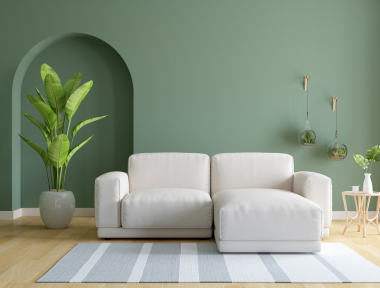
Small homes have their own charm. They’re cozy, efficient, and often full of personality. But let’s be honest, designing a small space that feels open, functional, and stylish can be tricky. Every inch matters, and every choice counts. The good news is that with the right approach and guidance from those who truly understand spatial dynamics, small spaces can feel expansive and inviting.
If you’re considering professional help, an Interior Design Service can make all the difference. Experts don’t just decorate; they transform tight areas into livable, breathable, and beautifully balanced environments. They know how to create flow, utilize light, and select the right furniture and colors to make a space appear larger than it actually is.
Here’s a deep dive into some tried-and-true expert design strategies that make even the smallest home feel open, elegant, and full of life.
- Start with a Clear Plan
Designing a small space begins with purpose. Before buying furniture or painting walls, think carefully about how you use your space daily. Do you work from home? Need storage for hobbies? Love entertaining? Each square foot should be assigned a function.
Interior design experts often say that in small spaces, the layout is everything. A clear plan ensures you’re not just squeezing furniture into a room, but crafting a space that supports your lifestyle.
- Prioritize Multi-Functional Furniture
In small spaces, furniture must earn its place. The smartest pieces are those that serve more than one purpose. Think of a sofa that turns into a guest bed, a coffee table with storage underneath, or a fold-down dining table that disappears when not in use.
Experts also recommend modular furniture, pieces that can adapt as your needs change. These flexible designs help you make the most of every inch while keeping your home uncluttered and visually open.
- Let There Be Light
Lighting can completely change how a small space feels. Natural light instantly makes a room appear larger and more welcoming, so keep window areas as clear as possible. Avoid heavy drapes; instead, opt for light, sheer curtains that let sunlight flow in.
For artificial lighting, layer it. Combine ceiling lights, wall sconces, and task lamps to create depth and highlight key areas. Experts often use mirrors opposite windows or light sources to bounce light around the room, a simple trick that adds instant brightness and illusion of space.
- Choose a Light and Cohesive Color Palette
When it comes to color, simplicity is key. Light hues like whites, soft grays, and pastels reflect more light and visually open up a room. Using a cohesive palette throughout creates continuity, helping spaces flow seamlessly into one another.
That doesn’t mean everything has to be plain. Add personality through textures, subtle patterns, or accent colors. For example, a navy throw pillow or a muted green armchair can create contrast without overwhelming the space.
Designers also emphasize keeping ceilings light, a soft white or neutral tone helps draw the eye upward, making rooms feel taller and airier.
- Use Vertical Space Wisely
When floor space is limited, look up. Vertical space is often underused but can be a game-changer in small interiors. Install floating shelves, tall cabinets, or hanging plants to draw attention upward and maximize storage.
Wall-mounted desks or foldable workstations are also excellent ways to reclaim valuable square footage. The goal is to reduce clutter at eye level and create visual openness from floor to ceiling.
- Embrace Built-Ins and Custom Solutions
One of the secrets behind expert interior design is customization. Built-in furniture, whether it’s a window seat with hidden storage or a bookshelf that fits a narrow wall, helps you utilize awkward corners and create a cohesive look.
Custom joinery can be tailored to your exact space and lifestyle needs, something that standard furniture rarely achieves. It’s an investment, but one that can dramatically improve both the functionality and aesthetics of a small home.
- Keep It Clutter-Free
Clutter is the enemy of small spaces. Even the best design loses its impact if surfaces are overcrowded. Adopt a minimalist mindset, keep what you love, and let go of what you don’t use.
Designers often recommend storage systems that hide everyday items. Closed cabinets, baskets, and hidden drawers maintain a clean visual line. Open shelving should be styled sparingly, displaying only a few beautiful or meaningful objects.
- Play with Mirrors and Reflections
Mirrors are one of the oldest tricks in the book, and for good reason. They double the sense of space and light, creating an airy and open feel. Place a large mirror opposite a window or behind a statement piece to enhance depth and brightness.
Reflective finishes on furniture or décor, like glass tables or metallic accents, can have a similar effect. Used strategically, they help blur boundaries and make compact rooms feel less confined.
- Define Zones Without Walls
In small apartments or studios, open layouts are common, but that doesn’t mean the space has to feel undefined. Designers use subtle visual cues to separate areas without blocking them off.
A rug can anchor a living zone, a pendant light can highlight a dining area, and a change in wall color or texture can mark transitions between spaces. This creates structure while maintaining an open, connected feel.
- Add Character with Details
Just because a home is small doesn’t mean it has to be plain. Details bring warmth and personality. Layer your textures, a soft rug, linen cushions, or a wooden side table adds richness without clutter.
Plants are another expert favorite. They bring life, improve air quality, and add color naturally. Even a few well-placed indoor plants can transform the mood of a room.
Don’t forget art. A large statement piece can actually make a room feel bigger by drawing the eye upward and giving a sense of scale.
- Keep Pathways Clear
Movement flow is often overlooked in small homes. Always ensure there’s enough room to walk comfortably between furniture pieces. Avoid blocking windows or doorways, and maintain a sense of openness in your main walking areas.
This not only improves functionality but also makes the entire home feel less crowded and more balanced.
- Think Long-Term
Designing for small spaces is not just about short-term fixes. It’s about building an environment that adapts with you. Choose quality materials, timeless furniture, and flexible layouts that can evolve with your lifestyle.
Experts stress the importance of durability and purpose. A small home designed thoughtfully can feel just as luxurious as a larger one, sometimes even more so, because every corner reflects intention.
Final Thoughts
Small-space design is not about limitation; it’s about creativity. With thoughtful planning, expert insight, and attention to detail, even a compact home can feel expansive, stylish, and deeply personal.
If you’re looking to transform your space with a balance of function and beauty, consider consulting a trusted Interior Design Service that understands how to make every inch count.
And when it comes to bringing that expertise to life, few names blend smart design with craftsmanship as seamlessly as CRAFTWIZ FURNITURE LLP, where design meets purpose, and small spaces truly make a big impact.