Walk into any modern home or office today, and you’ll notice one thing right away, spaces feel smarter. Walls aren’t cluttered, rooms are more adaptable, and the furniture doesn’t just fill space, it defines it. This shift isn’t accidental. It’s powered by a growing design movement centered around the Modular Furniture Solution.
Modular furniture has quietly become the backbone of contemporary interior design. From compact apartments to sprawling corporate setups, people are rethinking how furniture fits into their lives. Unlike traditional pieces that are static and fixed, modular furniture adapts. It’s flexible, functional, and built to move with you, literally and stylistically.
Let’s break down why this concept has taken the design world by storm and how it’s reshaping the way we think about interiors.
The Flexibility Factor: Designed for Real Life
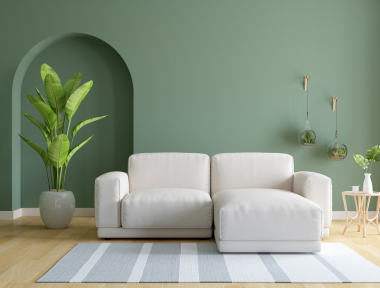
Modern life doesn’t sit still, and neither should your furniture. The biggest advantage of modular furniture lies in its flexibility. A modular sofa, for instance, can be rearranged into multiple configurations depending on the occasion, a cozy movie night setup today, a spacious layout for guests tomorrow.
The same goes for office interiors. Workspaces now demand adaptability. Teams expand, shrink, and shift constantly. Modular desks, partitions, and storage units allow companies to redesign their office layout without heavy renovation costs or downtime. It’s furniture that bends to your needs instead of locking you into one layout.
Flexibility also matters in smaller homes. With urban spaces shrinking, every square foot counts. Modular solutions make it possible to transform a living room into a home office or dining space within minutes.
Style Meets Substance
Modular furniture isn’t just about practicality, it’s a design statement. It gives you creative control over how your space looks and feels. You can mix colors, materials, and configurations to reflect your personal style.
For example, a modular shelving system can be minimal and industrial with metal frames, or warm and organic with wooden finishes. The same system can grow over time, add a few more shelves, change the alignment, or even repurpose parts in another room.
Designers love modular systems because they blend aesthetics with engineering. Clean lines, geometric forms, and minimalist appeal make them ideal for modern interiors. They bring balance, offering both form and function without overwhelming the space.
Smarter Use of Space
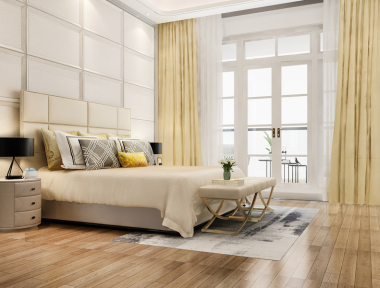
One of the most pressing challenges in urban living is maximizing space. Modular furniture does this better than almost any traditional alternative. Think wall-mounted storage that doubles as a desk, or a bed with built-in drawers that slide out effortlessly.
Each piece is designed with purpose. No corner goes to waste. Whether it’s a modular wardrobe that adapts to your storage needs or a kitchen unit that expands to fit your appliances, these solutions redefine how space is used.
For small apartments or compact offices, this can be a game-changer. The ability to scale furniture according to available space ensures comfort without compromise.
Easy to Move, Easy to Upgrade
Anyone who’s ever moved houses knows the pain of hauling bulky furniture through narrow staircases or doorways. Modular furniture takes that headache out of the equation. Since it’s made up of detachable parts, it’s easy to assemble, disassemble, and reassemble, perfect for people who relocate often or like to refresh their interiors.
This also makes maintenance simpler. Need to replace a damaged panel or add an extension? You don’t have to replace the entire unit. You can simply swap out the part you need. It’s cost-effective, practical, and sustainable, something modern consumers care deeply about.
Sustainability and Longevity
Speaking of sustainability, modular furniture is a clear win for the planet. Because it’s built to last and adapt, it reduces waste over time. Instead of discarding furniture when needs change, people can modify what they already own.
Many manufacturers use eco-friendly materials, recycled wood, bamboo, metal alloys, along with production methods that minimize waste. This makes modular furniture an attractive choice for environmentally conscious homeowners and businesses.
Longevity also comes from its timeless design. Minimalist, modular structures rarely go out of style. They evolve with you, matching new interiors or aesthetics with minimal effort.
Perfect for Modern Lifestyles
Modern interiors are not about filling every inch with furniture. They’re about breathing space, mobility, and ease. People today want environments that evolve with them, homes that can shift from calm to functional, offices that encourage collaboration but allow privacy when needed.
The Modular Furniture Solution fits perfectly into this mindset. It encourages personalization without the chaos of customization. You’re not locked into one look or layout. Instead, you have the freedom to experiment, grow, and redesign.
Technology has amplified this shift. With 3D visualization tools and modular design software, customers can now plan their furniture configurations before buying. This transparency has made modular solutions not only practical but exciting.
Cost-Effective in the Long Run
At first glance, modular furniture might seem like a premium investment. But over time, it saves more than it costs. The durability, reusability, and ability to scale or reconfigure mean you’re not constantly replacing or upgrading furniture.
For businesses, this is even more valuable. A modular office setup can adapt to new departments, team structures, or workspace layouts without major renovations. The return on investment comes through efficiency, reduced downtime, and longer furniture lifespan.
Even at home, the modular approach pays off. As your lifestyle changes, a growing family, remote work needs, or new hobbies, your furniture can change too.
The Emotional Angle: Making Spaces Personal
Beyond design and practicality, modular furniture taps into something emotional, the desire for control over one’s environment. In a world that often feels unpredictable, the ability to shape and reshape your space offers a sense of ownership and comfort.
There’s something deeply satisfying about creating a space that truly reflects who you are. Whether you’re arranging your first apartment, setting up a studio, or redesigning a workplace, modular systems let you build around your life, not the other way around.
The Future of Interior Design
Interior design is shifting from permanence to adaptability. Homes and offices are becoming dynamic environments, where design serves life, not the other way around.
As sustainability, flexibility, and personalization continue to shape consumer choices, modular furniture will only grow more relevant. It’s not a passing trend, it’s a fundamental change in how we define comfort and style.
In the years ahead, expect to see even smarter modular innovations, furniture that integrates with technology, adapts to your mood or lighting preferences, and continues to push boundaries in both aesthetics and function.
Final Thought
The rise of modular furniture is more than a design revolution, it’s a lifestyle shift. It’s about embracing change, valuing sustainability, and designing spaces that truly work for you.
If you’re planning to redesign your home or office, start by exploring modular possibilities. They’ll not only make your space look better but also make it feel smarter, lighter, and more personal.
CRAFTWIZ FURNITURE LLP has been one of the names championing this vision, creating modular furniture that blends craftsmanship with modern thinking, proving that the future of interiors isn’t just beautiful, it’s adaptable.